





45%
Increase in brand visibility.
25+
Industries Served
18+
Years of experience in digital marketing
83+
Total number of clutch reviews
Why Google Rankings Alone Won't Get You Into Gemini
We used to build keyword and backlink strategies for a search engine that gave out links. Gemini doesn't give links; it gives cited answers. The signals that drive citation are different, and most sites are optimized for the wrong target.
Wrong Ranking Signal
Gemini uses query fan-out, splitting one search into many sub-queries. Ranking #1 for the main keyword does not guarantee citations for those sub-queries.
Google-Extended Access Gap
Gemini utilizes Google Extended, not just Googlebot. If your site blocks Gemini via robots.txt, it will be invisible to it.
Thin Content Gets Skipped
Gemini prefers clear, structured, credible content. Pages that lack depth, headings, or data might get ignored even if they rank well.
No Entity Recognition
If Gemini cannot clearly identify your brand across your website, third-party sources, and Knowledge Graph, it may not be confident enough to cite you.
Zero Earned Media Signal
Gemini often uses non-organic ranking sources. Mentions by publishers and authority from third parties build citation trust.
No Citation Tracking
Without citation tracking, teams cannot see when Gemini cites them, stops citing them, or favors competitors.
How Google Gemini Actually Decides What to Cite
Gemini cites brands by pulling live content via a process called Google Search Grounding. If competitors optimize these signals better, Gemini might suggest them over you. To keep the process streamlined, we take care of it with human expertise.
AEO
Target a keyword
User asks a complex, multi-part question
GEO
Rank in the top 10
Gemini runs query fan-out across dozens of sub-queries
LLMO
Get the click
Retrieves the most extractable, credible, entity-confirmed source for each
AIO
Win the impression
Synthesizes a cited answer, no click required
End-to-End Google Gemini Optimization
From access-layer audits to earned media build-out, every lever that determines whether Gemini cites your brand is covered and executed.

Tech Audit
Access before visibility

Query Fan-Out Content Architecture
One page. Multiple citation surfaces.

Schema & Structured Data Implementation
Make your content machine-readable

E-E-A-T & Entity Authority Building
Credibility signals Gemini trusts

Citation Engineering
The signal traditional SEO misses

Gemini Citation Monitoring
Track what AI says about you
Tech Audit
Access before visibility
We monitor your robots.txt for Google Extended access, Core Web Vitals below the 200 ms barrier, JS-rendering issues blocking crawlers, and schema coverage on all important site categories.
 Key Features
- Google-Extended crawler check
- Core Web Vitals benchmarking
- Schema gap audit
- JS render testing
 Expected Results
3x
more frequent Gemini crawl eligibility
Case Study Preview
See how companies like yours achieved similar results with Saffron Edge.
Our Google Gemini Optimization Process
Every result follows a structured execution sequence that includes auditing, access to content, authority, and monitoring. No steps skipped.
Gemini Citation Audit Week 1–2
Where you are referenced, where competitors are succeeding, and what is holding back your Gemini visibility.
Technical Remediation Week 3–4
Fix crawler access issues, schema issues, optimize for the Gemini API, and remove technical barriers to AI visibility.
Content Restructuring & Query Fan-Out Mapping Week 5-6
Make the content structure-friendly for Gemini to understand, extract, and cite your answers.
Entity & Earned Media Build Week 7–10
Optimize for entities, expert signals, and trusted third-party mentions to build brand credibility.
Monitor, Report & Iterate Ongoing
Monitor citations, competitor visibility, and content performance to continuously improve AI presence.
Your Competitors Are Getting Cited. Let's Change That.
Gemini selects one source. It builds credibility for whoever it cites. If that's not your brand, it's someone else's—and the compounding effect of consistent AI citations on brand recognition and direct search volume is already measurable.
Case Studies
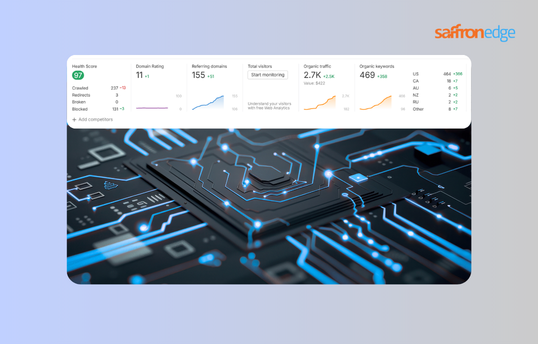
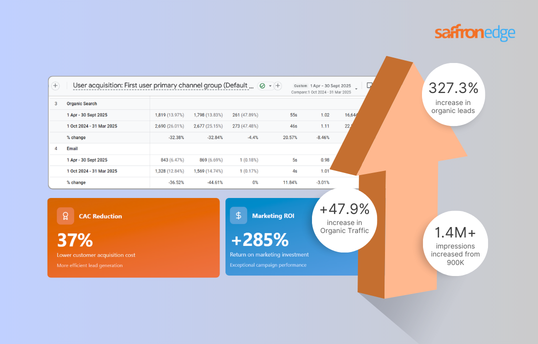
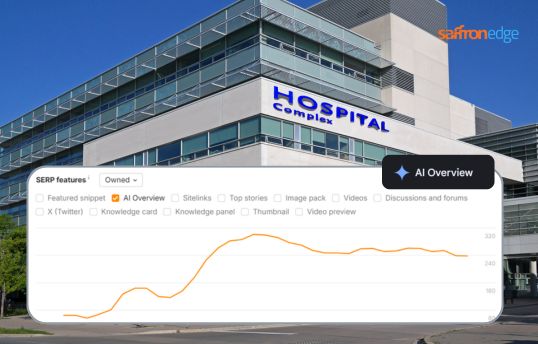
We drive exceptional results for every client
Testimonials


Frequently Asked Questions
Is ranking on Google the same as ranking on Gemini?

No. Gemini uses Google Search as a grounding layer, but a top-10 ranking doesn't guarantee citation. A Moz 2026 study found 88% of Google AI Mode citations came from outside the organic SERP. Query fan-out means Gemini retrieves sub-topic pages independently—your ranking for the head term is only one part of the equation.
What is Google-Extended and why does it matter?
Google-Extended is a separate robots.txt token that controls whether Gemini can use your content for grounding. It's distinct from Googlebot. If your robots.txt blocks it—which happens frequently in bulk bot-blocking setups—your site is invisible to Gemini even if you rank well in traditional search.
Does llms.txt help with Gemini citations?
t helps AI agents understand your site's structure, but Google has publicly stated it doesn't use llms.txt as a citation signal for AI Overviews or AI Mode. It's worth implementing for agentic web readiness, but it won't drive Gemini citations on its own.
Is there a publisher program for Gemini like Perplexity's?
There's no direct equivalent. Perplexity has a publisher revenue-share program; Google does not offer a comparable opt-in listing for organic Gemini citations. The path to Gemini citation is through search quality signals, entity authority, and earned media, not enrollment.
What's the difference between AI Overviews and Gemini AI Mode?
Technical fixes and schema implementation show impact within 4 to 6 weeks. Content restructuring and entity building compound over 60–90 days. Earned media placements that influence AI Mode citations typically take 90+ days to register as consistent citation signals.
How long before we see Gemini citation results?
Technical fixes and schema implementation show impact within 4 to 6 weeks. Content restructuring and entity building compound over 60–90 days. Earned media placements that influence AI Mode citations typically take 90+ days to register as consistent citation signals.
